
The Importance of Beans in Agriculture and Nutrition
Beans are protein-rich legumes widely cultivated for their nutritional, economic, and soil-enriching benefits. They are an essential part of diets across the world, providing a high-protein, fiber-rich, and low-fat food source. In Nigeria, beans serve as a staple food, contributing to food security and income generation.
Characteristics of the Bean Plant
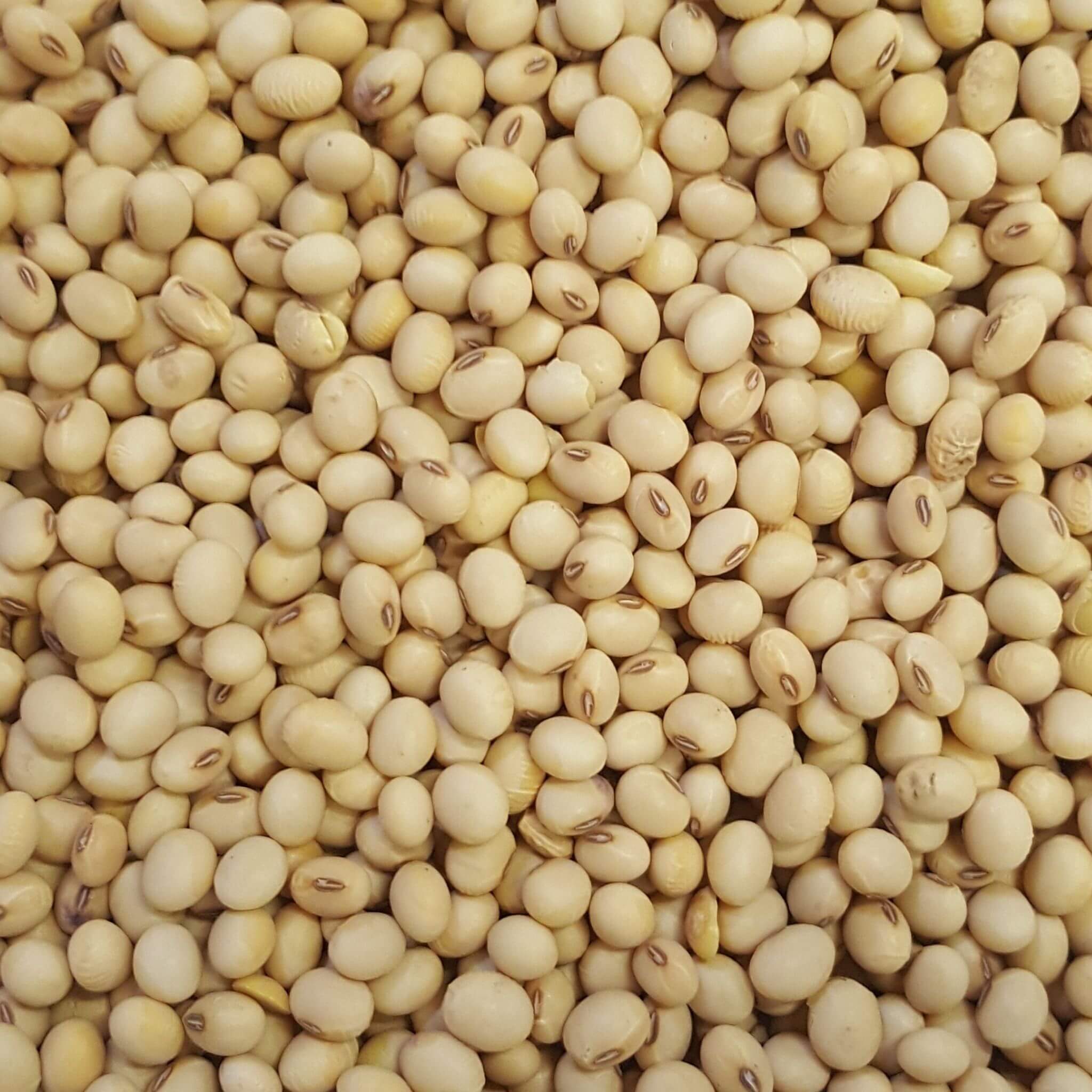
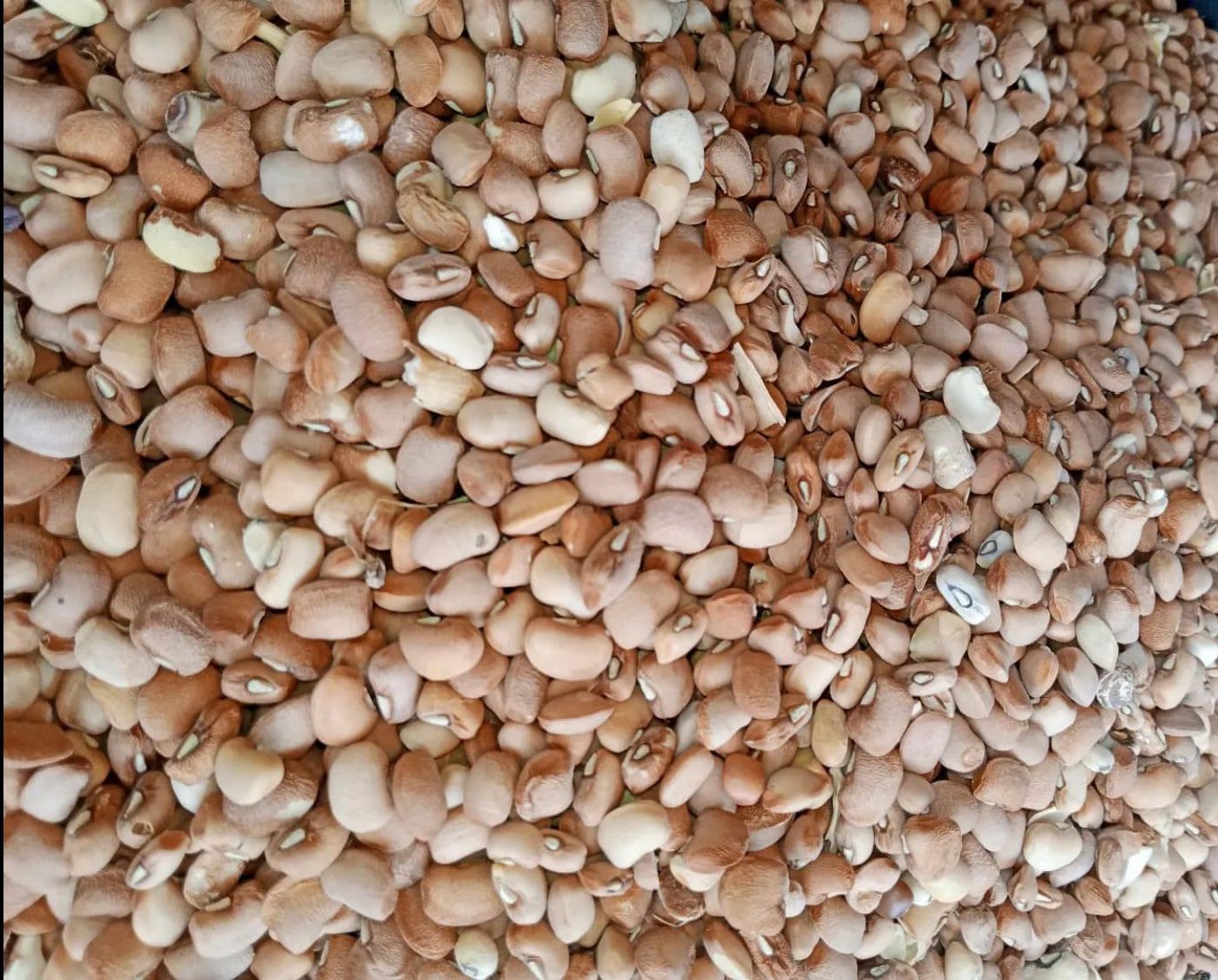
Beans grow as climbing or bushy plants, producing pods that contain multiple seeds, which vary in size, shape, and color—ranging from white, brown, black, red, and speckled varieties. They are highly valued for their rich protein content, vitamins, and minerals, making them a crucial food source for both human consumption and animal feed.
Beans also improve soil fertility through nitrogen fixation, reducing the need for synthetic fertilizers and promoting sustainable agriculture. They are used in a variety of traditional Nigerian dishes, including Moi Moi, Akara, and bean porridge.
Major Bean-Producing States in Nigeria
Nigeria is one of the largest bean producers in Africa, with cultivation thriving in the northern and central regions due to their favorable climate. The key producing states include:
✅ Borno
✅ Kano
✅ Kaduna
✅ Bauchi
✅ Zamfara
✅ Niger
✅ Sokoto
✅ Benue
These states play a significant role in food production, trade, and export, ensuring that beans remain a sustainable and nutritious food source for millions of people.